 Island Skies Astro
What are Nebulae?
Our universe is far from empty. Across the vast distances between the stars, diffuse mixtures of gas and dust drift through space. When this material gathers into a large, structured cloud, it is called a nebula (plural: nebulae). These clouds can stretch hundreds of light-years across and often glow with vivid colors shaped by the light of nearby stars. Most of this material is hydrogen, making up roughly three-quarters of the total, with helium forming most of the remainder, along with small amounts of oxygen, carbon, and nitrogen. Some nebulae serve as stellar nurseries where new stars form as gravity slowly draws the gas and dust into increasingly dense knots. Other nebulae are created when stars shed or explode their outer layers. In the sections that follow, we will explore the five main types of nebulae and what makes each one unique.
Emission Nebula
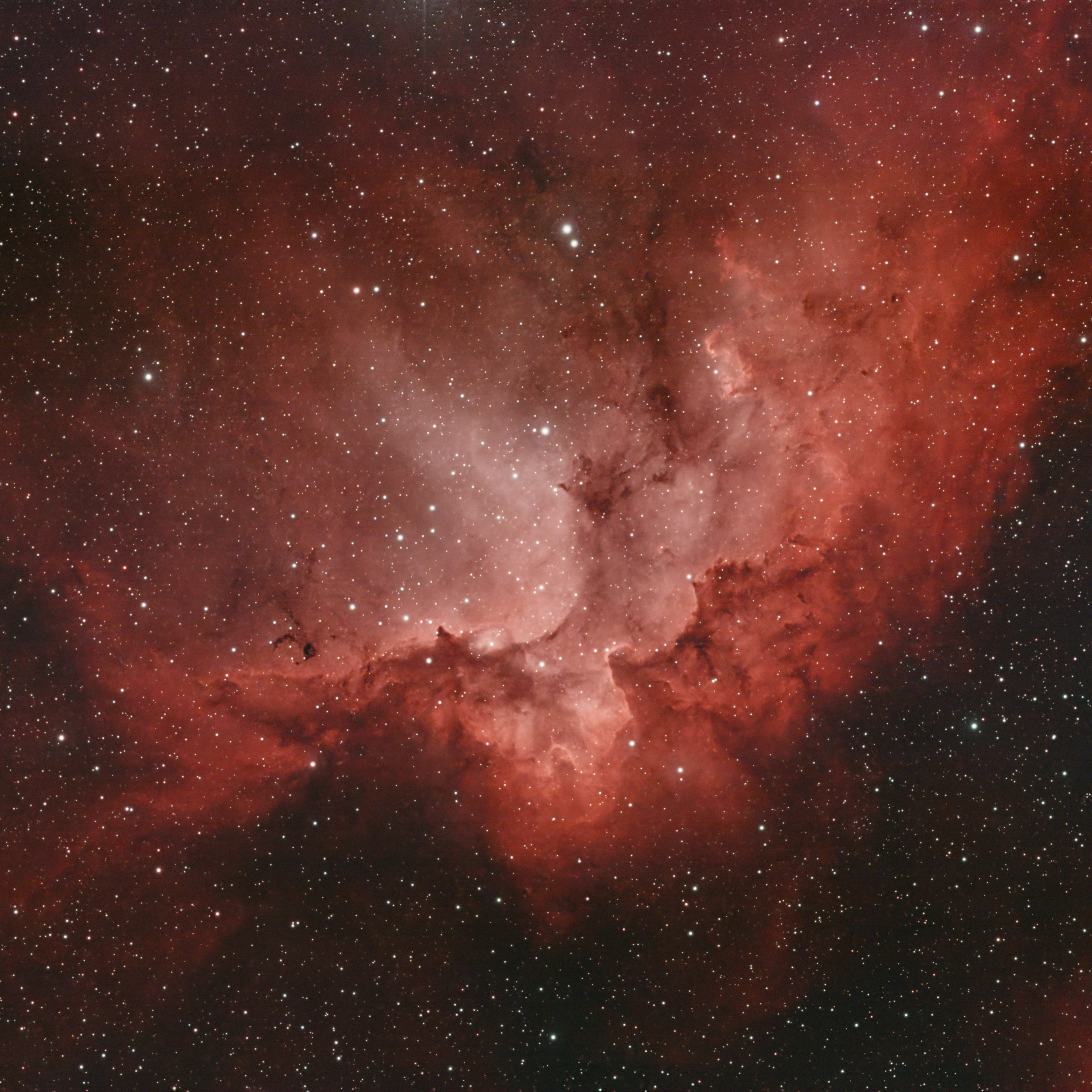
Emission nebulae emit light because their gas is energized by nearby young, hot stars. These stars produce intense ultraviolet radiation that excites the atoms in the nebula, causing them to release light in return. Different elements emit different colors when excited, so the appearance of an emission nebula depends on which elements are present and how strongly each one is glowing. Many emission nebulae are also active star-forming regions shaped and illuminated by the influence of these young stars.
Hydrogen is by far the most abundant element, so many emission nebulae shine prominently in deep red light. Others, such as the Orion Nebula, also contain regions where oxygen and other elements emit blue or green light. The mix and brightness of these emissions give each nebula its distinctive color and character.
Reflection Nebula
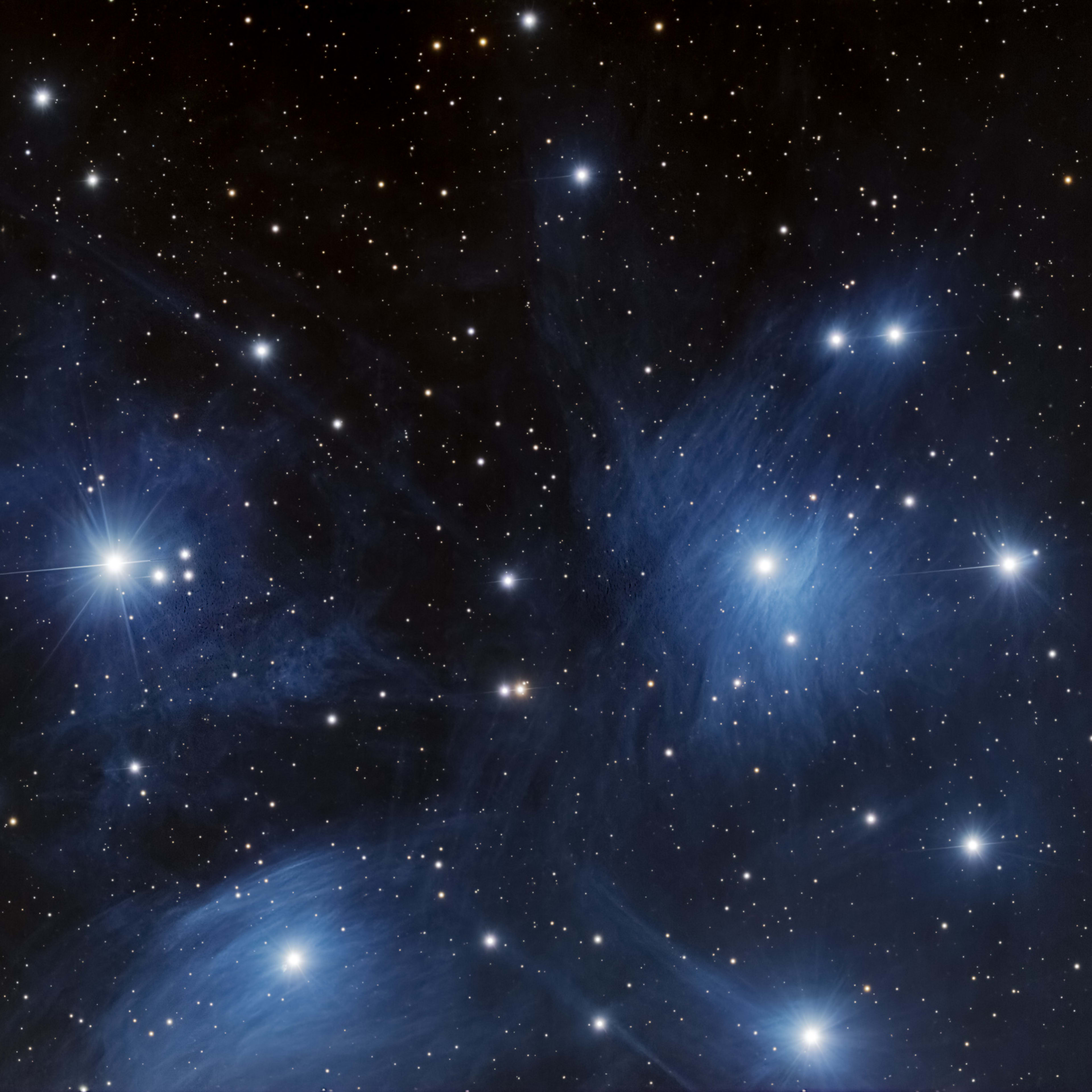
Reflection nebulae reflect light, shining not because they produce their own glow but because they scatter the light of nearby stars. When starlight strikes the dust within these clouds, some of it is redirected toward us, creating a soft, glowing appearance. The scattered light is usually blue, not because the nebula contains anything inherently blue, but because blue light is scattered more easily than red. This is the same effect that makes Earth's sky appear blue during the day.
Reflection nebulae often form around young stars or along the outskirts of larger star-forming regions, where the starlight is bright enough to illuminate surrounding dust but not energetic enough to make the gas glow on its own.
Dark Nebula
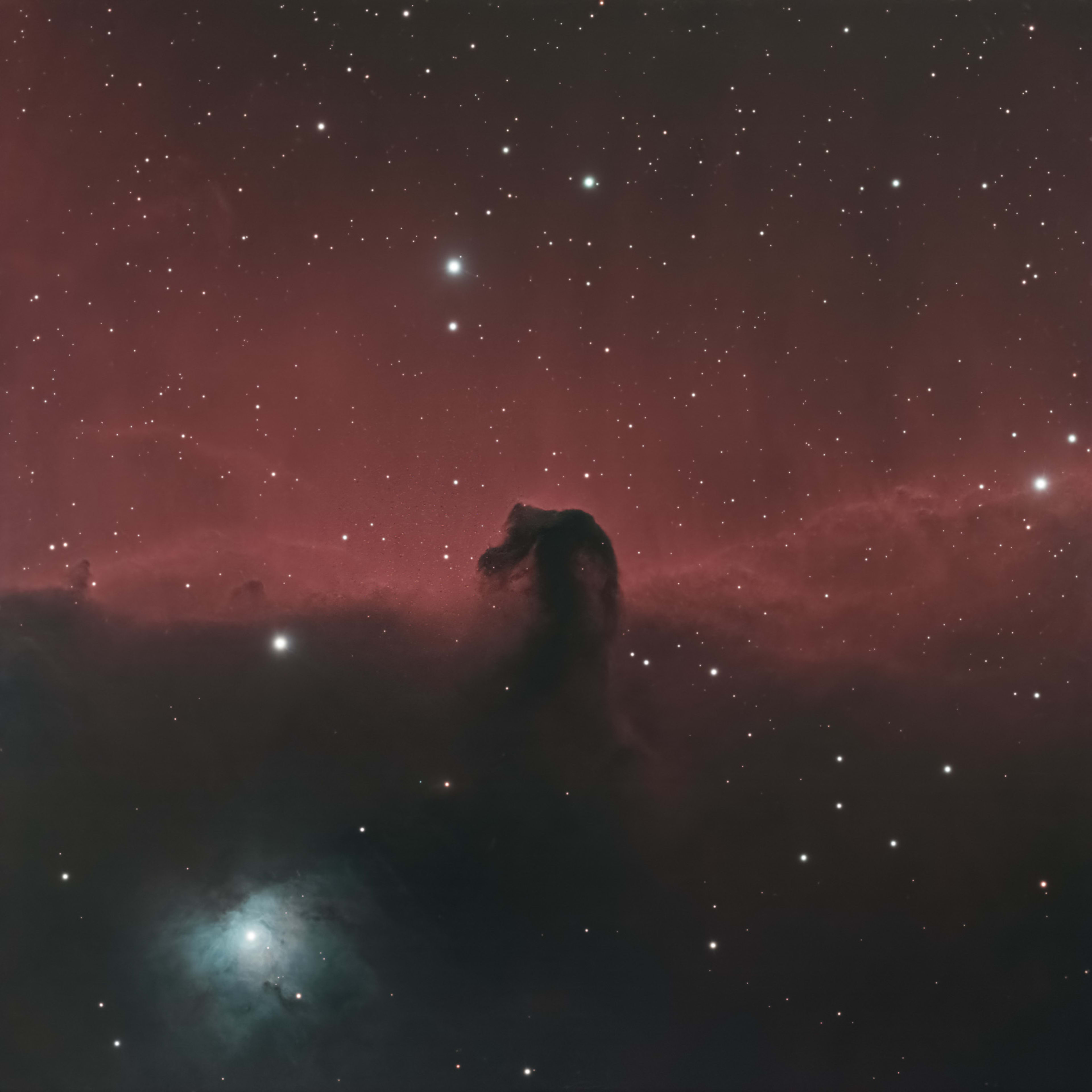
Dark nebulae block light because their gas and dust are so dense that they obscure the stars and glowing clouds behind them. Instead of emitting or reflecting light, they appear as cold, opaque shapes silhouetted against brighter regions of the sky. The dust within these clouds absorbs and scatters light so effectively that even nearby stars can be completely hidden from view.
These nebulae often mark some of the most active places in the galaxy. Deep inside them, well shielded from outside radiation, gas can cool and collect into dense clumps that may eventually form new stars. Many of the most famous star-forming regions began as dark nebulae, their shapes only revealed once young stars ignited and illuminated the surrounding material. To the eye, dark nebulae appear as empty patches or winding shadows, but they are far from empty.
Planetary Nebula
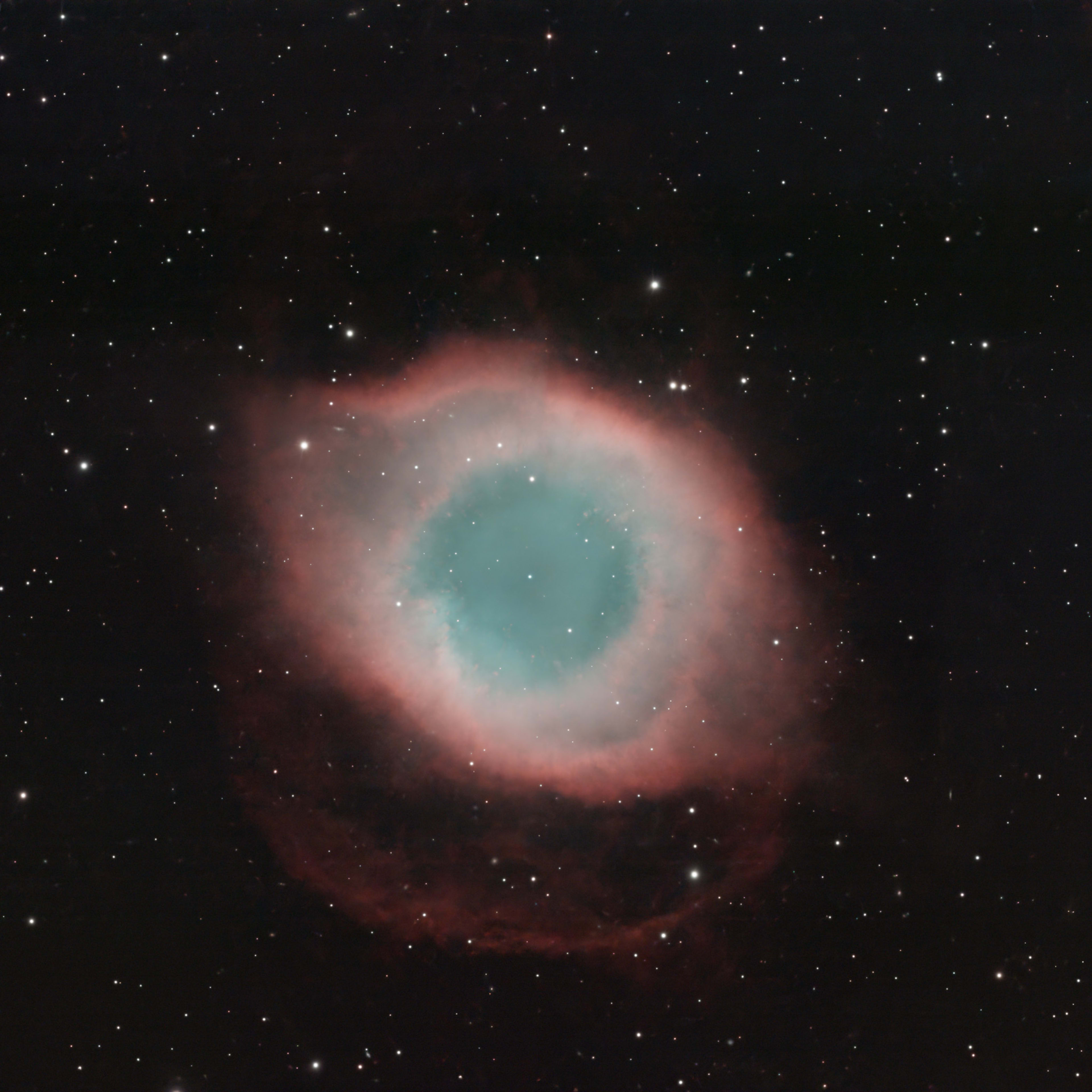
Planetary nebulae mark the final stages of Sun-like stars as they shed their outer layers into space. As the star grows old, it becomes unstable and pushes its surrounding gas outward, creating an expanding shell of material. The exposed core, now extremely hot, emits ultraviolet light that causes this gas to glow in recognizable patterns.
Despite the name, planetary nebulae have nothing to do with planets. Early astronomers chose the term because their round shapes reminded them of planetary disks when viewed through small telescopes. In reality, many planetary nebulae develop complex structures—rings, bubbles, and multi-lobed forms shaped by stellar winds, rotation, or interactions with companion stars.
This stage lasts only a short time on cosmic scales, typically a few tens of thousands of years. The gas released into space enriches the surrounding interstellar medium with heavier elements, becoming part of the material from which future stars and planets may eventually form.
Supernova Remnant (a type of Nebula)
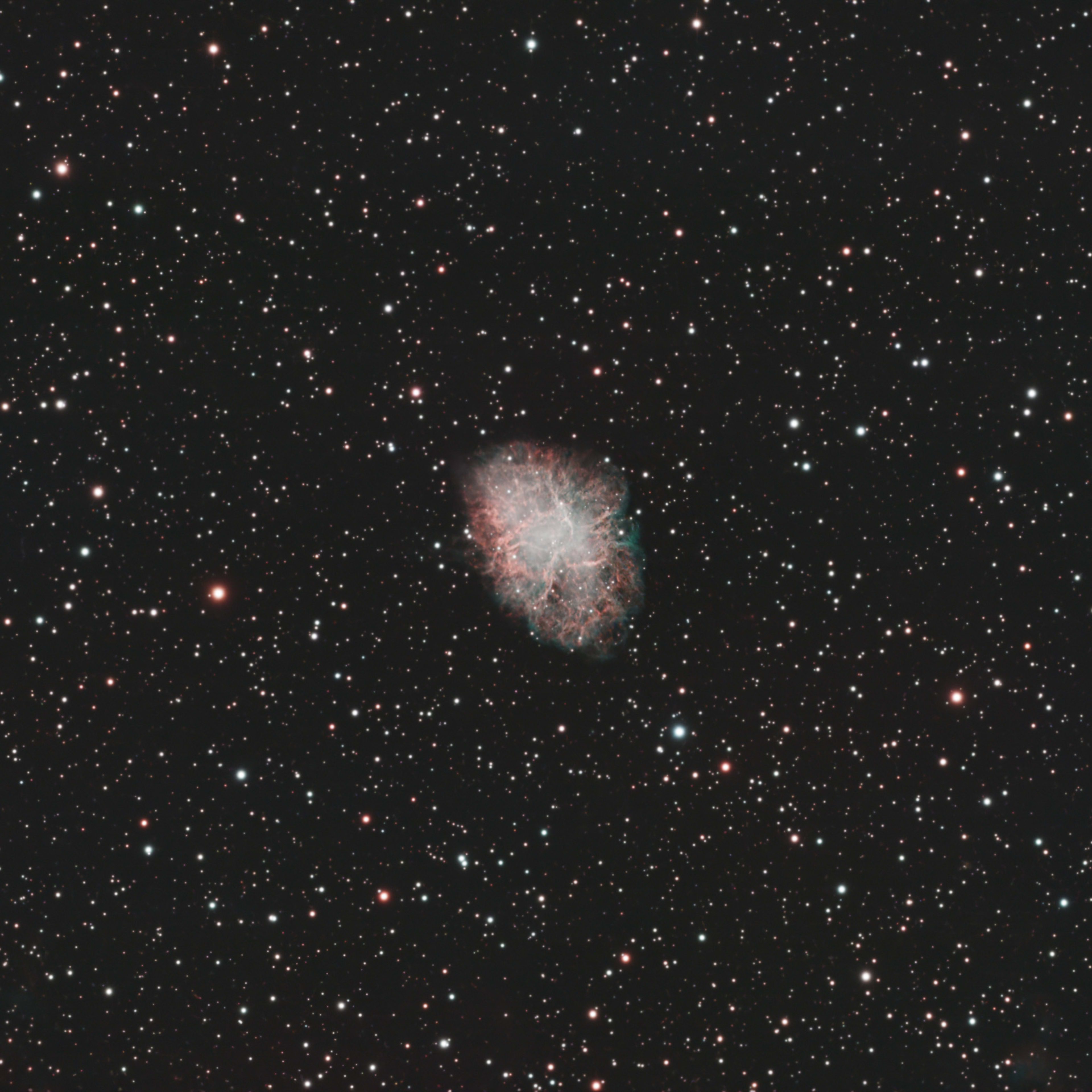
Supernova remnants are a type of nebula created by the explosive deaths of massive stars. When a star much larger than the Sun reaches the end of its life, its core collapses and triggers a powerful supernova, releasing an enormous amount of energy in a very short time. The explosion blasts the star's outer layers into space at tremendous speeds, creating a shockwave that sweeps up and heats the surrounding interstellar gas.
As this shockwave moves outward, it forms a nebula of intricate filaments and arcs of glowing material. The high temperatures and fast moving particles in these regions cause different elements such as oxygen, sulfur, and nitrogen to emit light at distinct wavelengths, giving supernova remnants their characteristic appearance. Over time, the expanding nebula thins out and gradually fades as it mixes with the surrounding interstellar medium.